


The Podium Starts at Home: Why Your Living Room Matters More Than the Pool Deck

Patterns are automatic responses built through repetition. In swimming, they can quietly undermine performance—but with awareness and practice, unhelpful patterns can be replaced with ones that support success.
What Every New Swim Parent Needs to Know Before Their Kid’s First Season
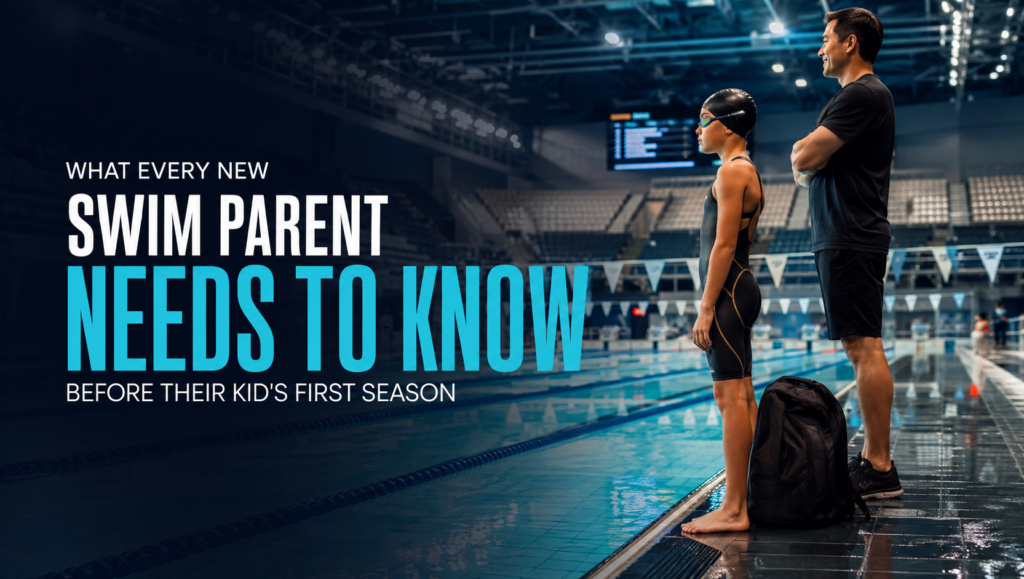
Patterns are automatic responses built through repetition. In swimming, they can quietly undermine performance—but with awareness and practice, unhelpful patterns can be replaced with ones that support success.
The Automatic Reactions Running the Show
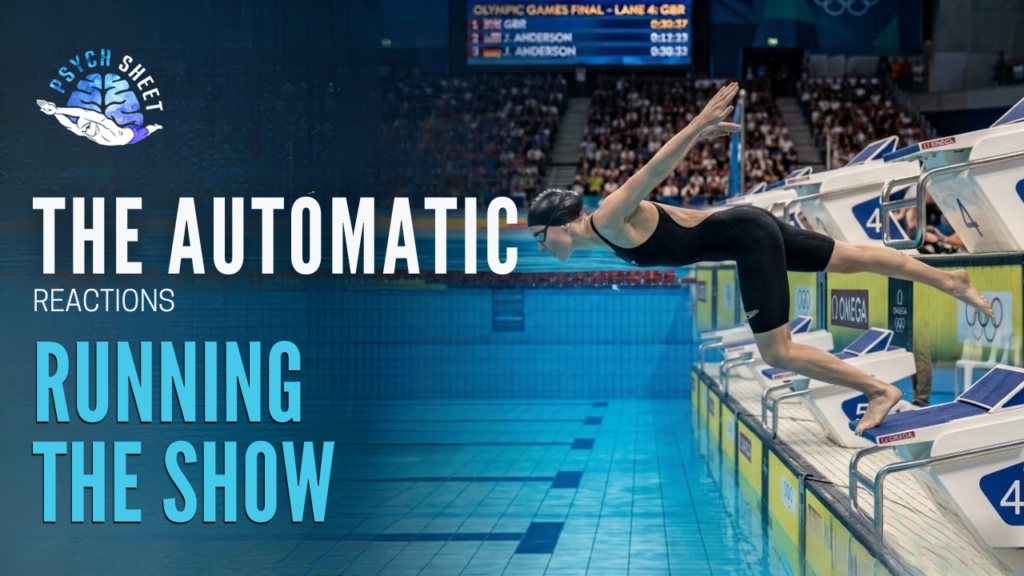
Patterns are automatic responses built through repetition. In swimming, they can quietly undermine performance—but with awareness and practice, unhelpful patterns can be replaced with ones that support success.
Why the Body Decides the Race Before the Gun Goes Off
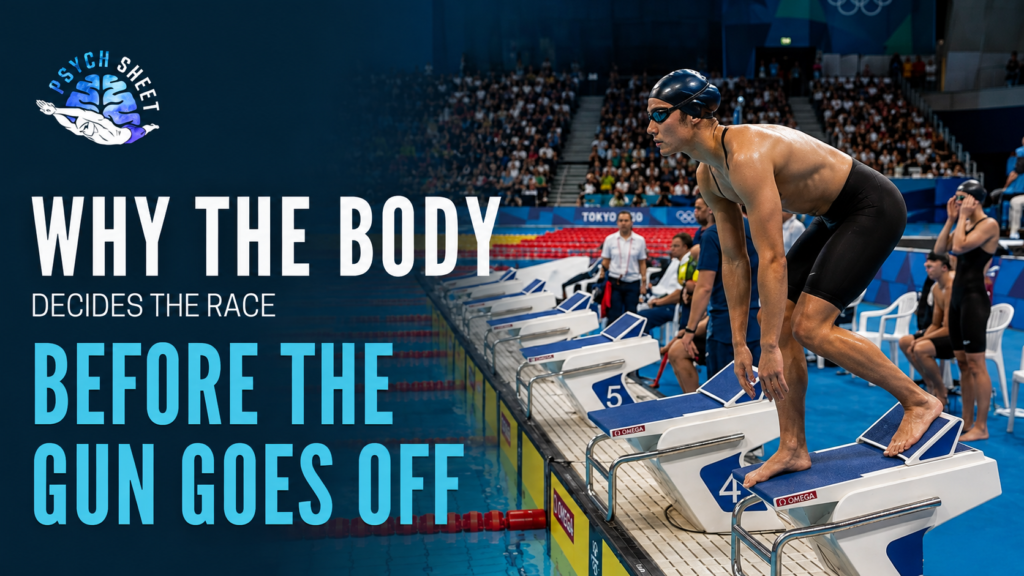
Race‑day nerves aren’t just emotions—they’re the nervous system at work. By training regulation skills, swimmers can shift from stress responses to steady performance, closing the gap between practice and competition.
Installing the Race Before It Happens
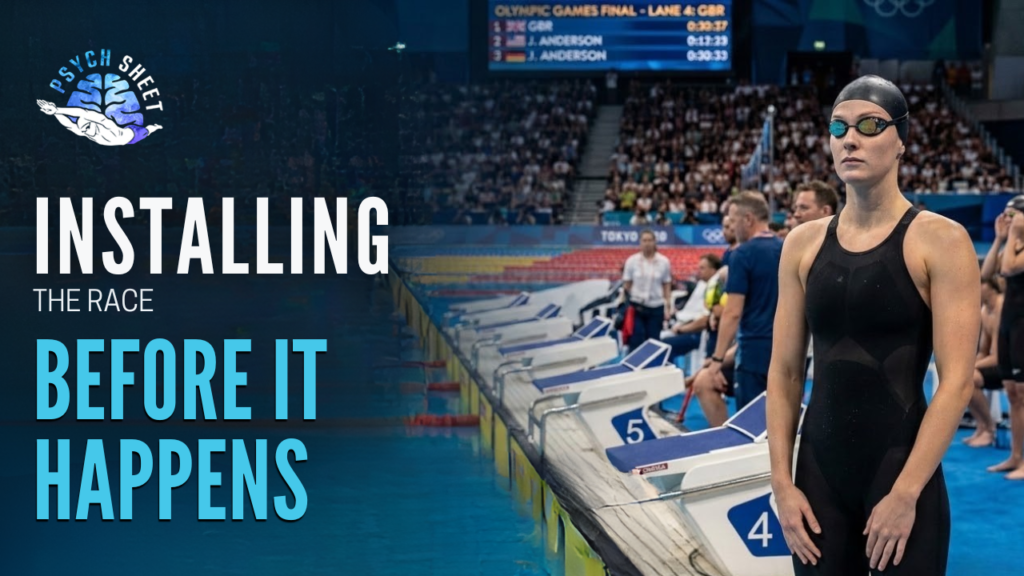
Mental rehearsal isn’t wishful visualization—it’s a structured practice of running through a race in detail before it happens. By rehearsing strokes, turns, and rhythms, swimmers train their minds to treat competition as familiar, building confidence and consistency when it matters most.
Managing the Resource That Makes Everything Else Possible
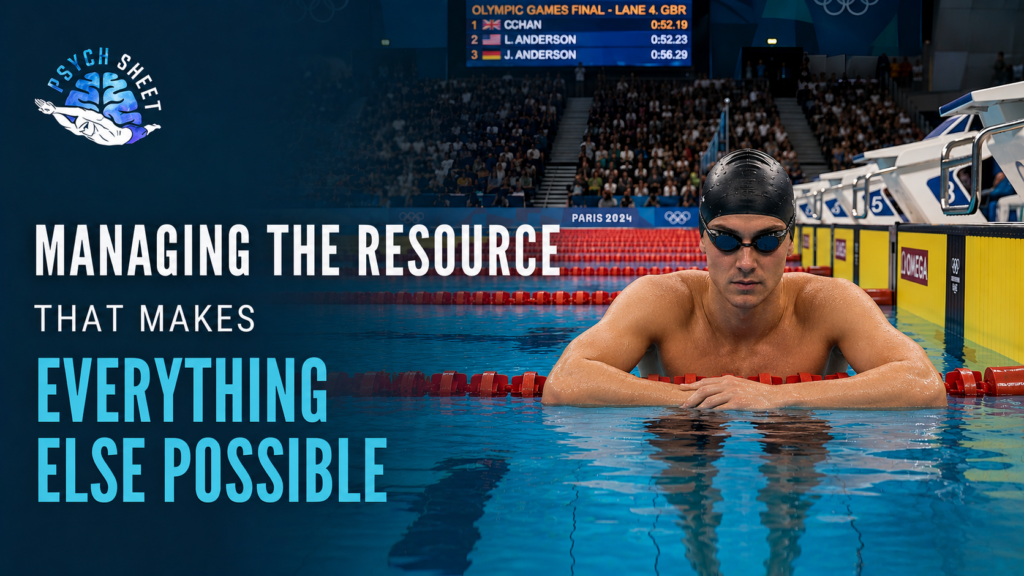
Energy isn’t just physical—it’s the mental and emotional resource that makes performance possible. Managing energy across meets, seasons, and careers prevents burnout and helps swimmers sustain success in the water.
Where Focus Goes When It Matters Most
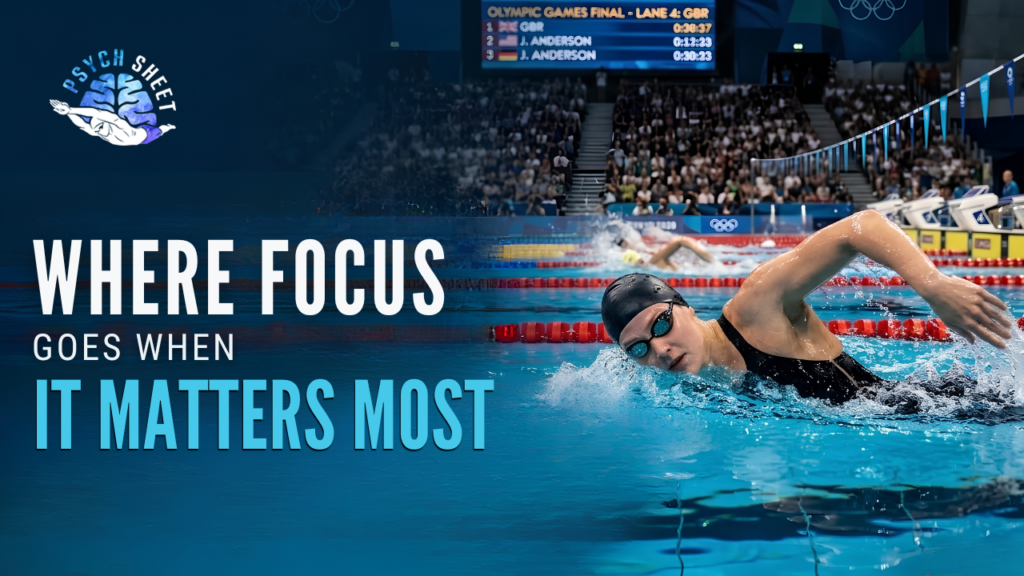
Swimmers don’t lose focus because of effort—it’s attention. Under pressure, the mind drifts to outcomes and distractions. Training attention as a skill anchors focus on the process, helping athletes perform the way they practice.
The Self-Concept You’re Actually Competing From

Swimmers don’t underperform because of fitness or technique—it’s identity. The self‑concept an athlete competes from drives race‑day performance, and without a stable identity, practice results rarely show up when it counts.